



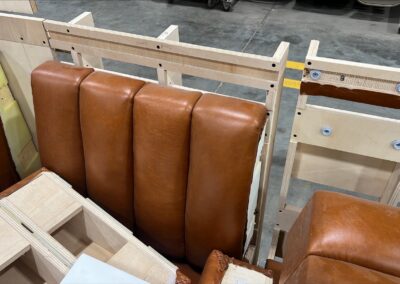
Which Fastmount clip range you need for each type of wall
A public-use building combines several types of structure: plasterboard drywall partitions in the rooms, timber frames in refurbished areas, Knauf metal profiles on the new floors and common areas that must comply with fire regulations. Each type of wall needs a different clip. Here is the complete guide to getting it right first time.
Fastmount is not a single product, but a family of specialised ranges. Each one has been developed for a specific substrate, and choosing the right one is the key to the project's success. We go through, wall by wall, which range suits each situation.
01Plasterboard walls: SLX range
Most modern interior walls are built with plasterboard sheets (Pladur, Knauf or similar). For this substrate, the SLX range is the natural choice. The SLX-F40T female is recessed directly into the plasterboard: it does not need to reach the metal profile behind. It is installed from the front, creating an invisible anchor point where the decorative panel will be fixed with its matching male clip.
The key advantage of the SLX range is that it turns any existing plasterboard wall into an accessible wall without altering the structure. In refurbishments, where the walls are already built and finished, this is especially valuable: the SLX females are recessed, the decorative panels are fitted with their males, and the wall goes from fixed to accessible.
02Knauf metal profiles: SL-FB1 female
In new build, or when there is access to the metal structure before the plasterboard is fitted, there is an additional option: the SL-FB1, a female that pushes directly into the Knauf galvanised steel profile. This provides a direct mechanical anchor to the steel, without relying on the plaster. In a new-build project, specifying the SL-FB1 from the structure stage guarantees the system's maximum performance.
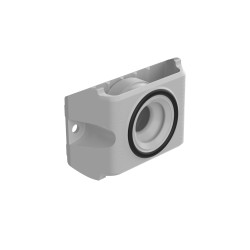
03Timber structures: Standard range
In rural buildings, refurbished historic properties or areas where the interior structure is timber (frames, battens, boards), the Standard (PC) range is the benchmark. The self-tapping PC-F1A female screws directly into the timber with a simple turn, in a 16.8 mm hole. The profile of just 4 mm lets the panel sit practically against the structure.
For built-in furniture —fitted wardrobes, headboards with an MDF frame, desks with back panels— the Standard range is also the natural choice. The decorative furniture panels can be removed to reach built-in sockets, wiring or simply to replace them with a different design. In the Standard range, each clip holds up to 15 kg and capacity scales with the number of clips; the exact sizing is validated with technical advice according to weight, format and material.
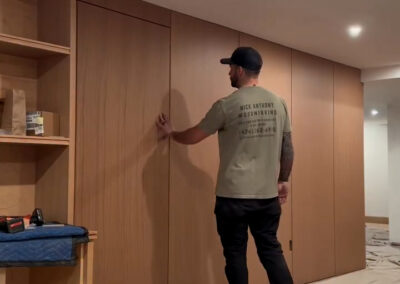
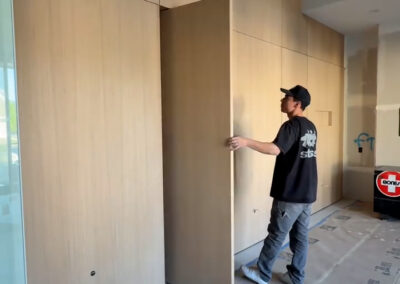
04Areas subject to fire regulations: MC-NP
Corridors, lobbies, function rooms, restaurants and all public areas must comply with fire regulations (CTE-DB-SI). In these areas, the clips must be from the Metal Clip MC-NP range with a nickel-plated finish, which provides certified fire resistance. If the panels are also large-format, the StratLock range adds a security lock.
“On our last contract project we used four different Fastmount ranges: SLX in the rooms, Standard in the furniture, MC-NP in the corridors and StratLock in the lobby. Each area has its ideal clip and the result is flawless.” — Patricia Gómez Seoane, interior architect, contract studio, Bilbao
05Bathrooms and wet areas: MC-SS
Bathrooms are a particularly demanding environment. Constant humidity, splashes and steam condensation require clips that do not corrode. The Metal Clip MC-SS range in AISI 316 stainless steel is the solution. These clips are the same ones used on superyachts, where the salt-humidity conditions are far more aggressive than in any bathroom on dry land.
In wet areas, accessible panels are especially valuable. Hot and cold water pipes, drains, thermostatic mixing valves and the wiring for the heated mirror all run behind the decorative panels. Being able to get access without building work is the difference between a one-hour repair and a two-day job.
06Selection map by area
Each room imposes different conditions —substrate, regulatory requirements, panel format— and each one has its Fastmount range. This is the practical summary for specifying on the drawings:
| Area | Recommended range |
|---|---|
| Rooms (existing plasterboard) | SLX |
| Rooms (new build, Knauf profile) | SL-FB1 |
| Headboards and upholstered panels | Low Profile |
| Bathrooms and wet areas | MC-SS (316 stainless) |
| Corridors and common areas (fire) | MC-NP (nickel-plated) |
| Lobby and function rooms (large format) | StratLock |
| Built-in furniture (timber) | Standard (PC) |
The ranges at a glance, to keep the reference for each solution to hand:
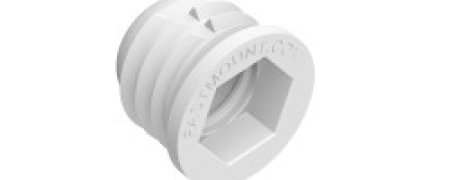 Standard15 kg/clip, scalable
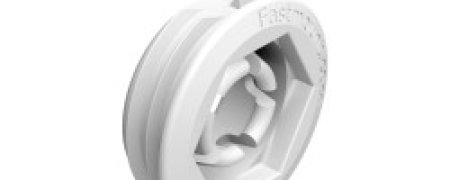 Low ProfileThin panels
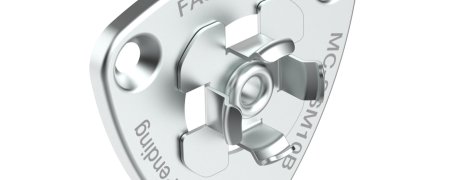 MetalLoad and fire
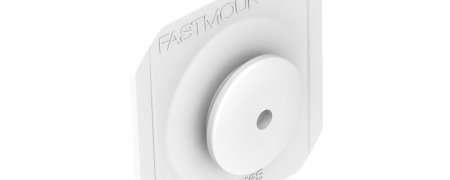 TextileCushions (~32 kg)
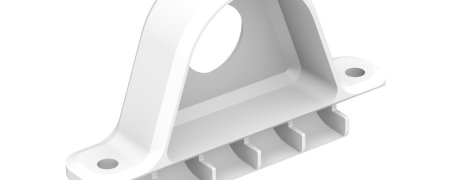 StratLockLarge formats
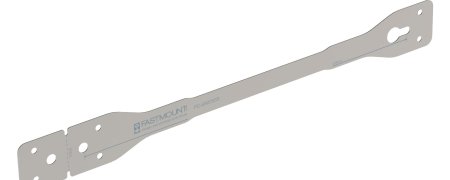 Panel ControlSeismic retention
07The key: specify at the design stage
The biggest mistake we see in contract projects is leaving the choice of fixing system until the end. When Fastmount clips are specified from the architectural design stage, the structure is prepared to take them in the best way. When they are added as an afterthought, the adaptations are more costly and less elegant.
Combining the right range in each area —SLX on plasterboard, SL-FB1 on Knauf profiles, Standard on timber, MC-NP for fire, MC-SS in wet areas and StratLock for large formats— turns an entire building into an accessible space that is easy to service and aesthetically flawless. That decision, taken in time, is what separates a brilliant project from a source of problems.
Advice for your contract project
We help you select the right range for each area and size the number of clips according to the weight, format and material of the panel. Permanent stock in Spain and Portugal.
Calculate my solution See the architecture pillarThe application images belong to Fastmount™. No acoustic values are claimed: all performance is referred to testing and the technical data sheet.