



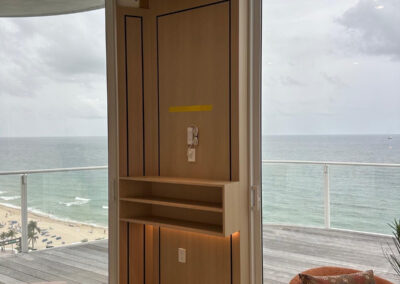
The real cost of renovating a hotel the traditional way
Renovating a hotel is inevitable. Interiors age, trends change, guests become more demanding and the competition raises the bar every season. A high-end boutique hotel needs to renovate its rooms every five to seven years to keep its positioning. The question is not whether to renovate, but to understand the total cost of the operation, which is invariably much higher than it looks in the building budget.
01The cost that does appear in the budget
Let us start with the obvious. Renovating a boutique hotel room with traditional methods —removing the existing panels, preparing surfaces, installing new cladding with screws, applying finishes— costs between 3,000 and 8,000 euros per room, depending on the quality of the materials and the complexity of the design. For a 60-room hotel, we are talking about 180,000 to 480,000 euros in direct building costs.
These are considerable figures, but they are the ones everyone expects. What very few hotel directors calculate is the indirect cost: the money not earned while the rooms are out of service.
02Lost RevPAR: the real black hole
The RevPAR (Revenue Per Available Room) is the metric that governs hotel profitability. In a high-end boutique hotel in a Spanish city, average RevPAR can range between 120 and 250 euros, depending on location and season. Every day a room is out of service for renovation is a day without revenue.
A traditional room renovation requires, at the very least, three to five days per room: one day to strip out, one day to prepare surfaces, one day to install the new panels and finishes, and one or two days of drying, ventilation and final cleaning. If the hotel renovates in phases (the usual method to avoid closing completely), it needs to close blocks of 5 to 10 rooms for a week.
| Example: 60-room hotel, RevPAR €180 | Cost |
|---|---|
| Direct building work (60 rooms × €5,000) | 300.000 € |
| Days out of service per room | 4-5 days |
| Total lost RevPAR (60 × 4.5 × 180) | 48.600 € |
| Noise: forced discounts on adjoining rooms | ~8.000 € |
| Negative reviews: estimated impact | Hard to quantify |
| Contractor delays (+20% time) | ~€9,700 extra RevPAR |
| Estimated real total cost | ~366.000 € |
03The domino effect: rooms that are not being renovated suffer too
When rooms are renovated in an operating hotel, the noise and disruption of the work affect the neighbouring rooms. Guests sleeping next to a work zone hear drills, hammer blows and workers' conversations early in the morning. Negative reviews are not long in coming.
To mitigate this effect, many hotels choose to discount the adjoining rooms or simply leave them empty. This extends the cost of lost RevPAR beyond the rooms being renovated. Renovating 10 rooms can affect another 8-12 adjoining rooms, multiplying the economic impact.
“The building budget is just the tip of the iceberg. When we calculate the lost RevPAR, the compensation for disturbed guests and the reputational cost of negative reviews, the real cost doubles the initial budget.”
— Carmen Navarro Fuentes, Revenue Manager, hotel group, Barcelona
04The deadline problem
In traditional construction, deadlines are rarely met. A contractor who promises to renovate 10 rooms in two weeks needs, in practice, three. The reasons are many: unexpected problems when stripping out the old panels (hidden pipes, undocumented wiring, damage to the structure), delays in material supply, and the simple reality that manual work has variable output.
Every day of delay is another day of lost RevPAR, another night of noise for guests, another opportunity for a negative review. The vicious circle feeds itself: the pressure to finish quickly leads to shortcuts in quality, which lead to defects that need repair, which extend the deadline.
05The alternative: renovate without closing
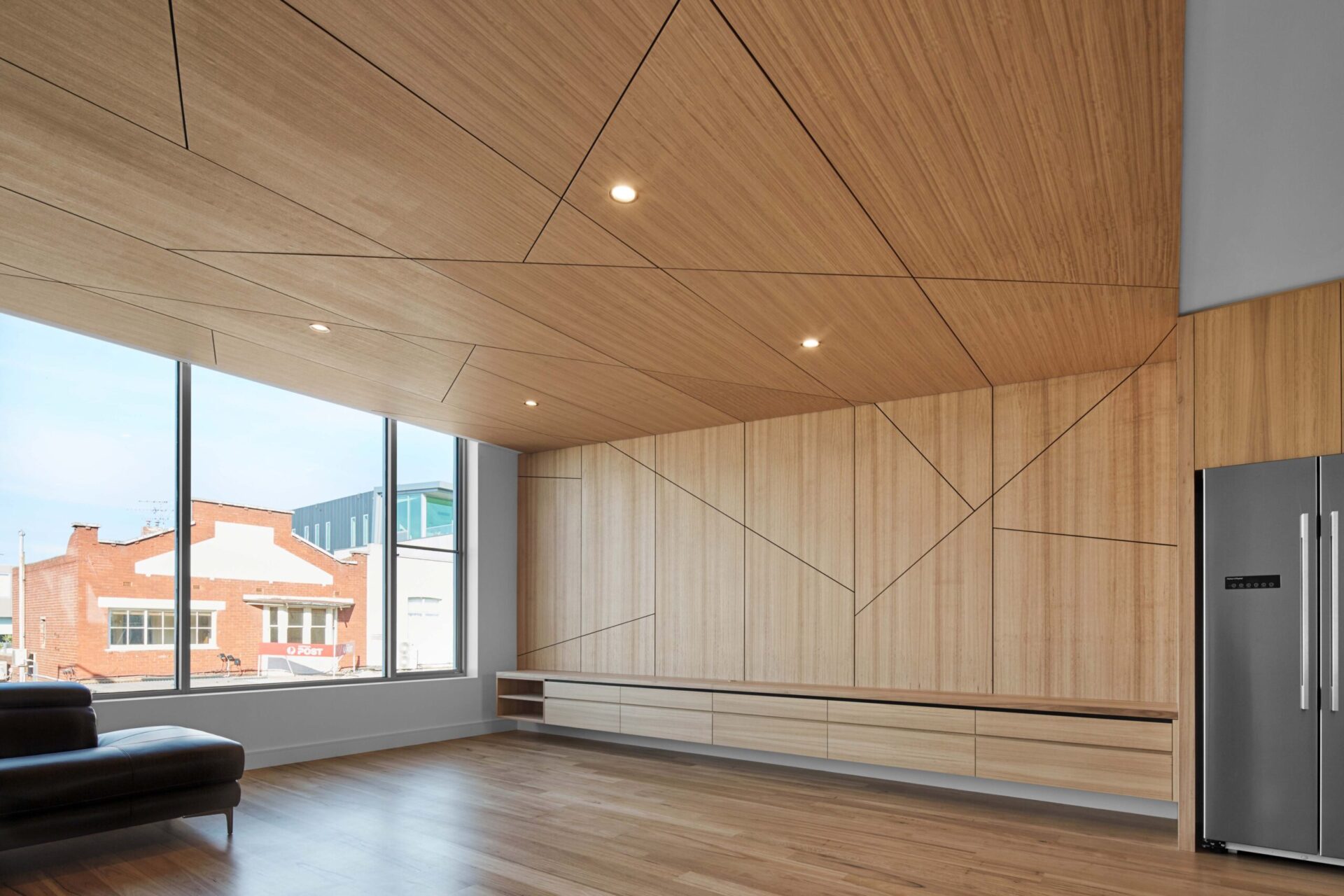
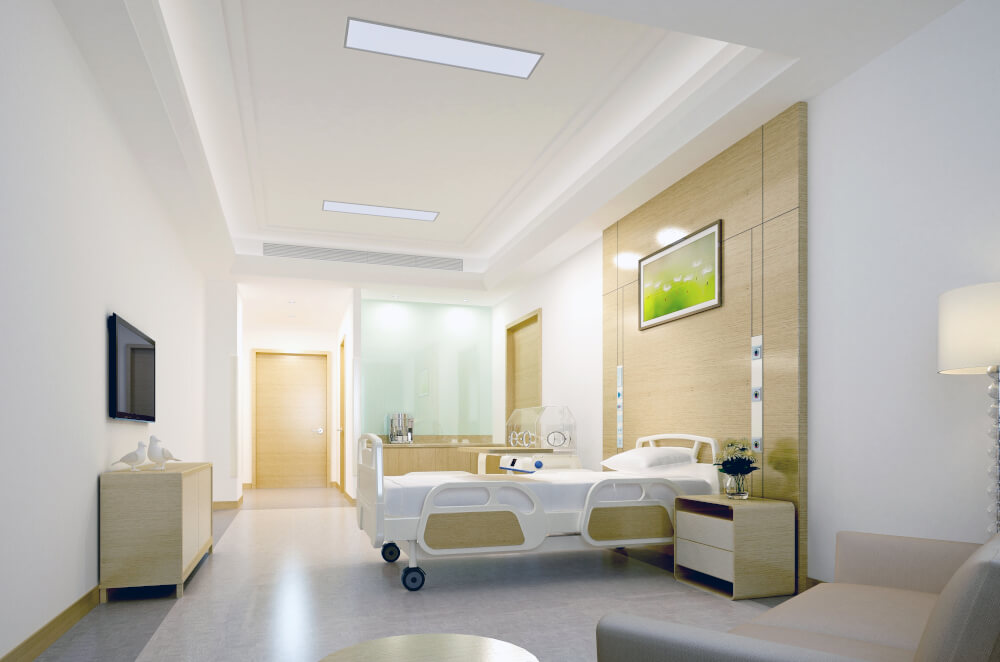
There is a method that eliminates most of these indirect costs. With a system of interchangeable panels based on Fastmount invisible clips, a hotel room can be renovated in less than 24 hours: the existing panels are removed (minutes), the new ones are fitted (hours), the room is cleaned (one hour). No drill noise, no dust, no drying days. The room can be sold again the next day.
In the next article in this series we explain exactly how this process works and why more and more boutique hotels are adopting it.
Renovate your hotel without losing revenue
Advice for hotel projects. Stock available in Spain and Portugal. Shipping in 24-72 hours.
Request advice Fastmount for hotelsThe application images belong to Fastmount™. No acoustic values are claimed: all performance is referred to testing and the technical data sheet.